As the market for vintage motorcycles continues to thrive, understanding the financial landscape is crucial for enthusiasts and investors alike. What factors influence the value of these classic machines? This guide sheds light on key considerations that can help you navigate this exciting investment opportunity.
What You Will Learn
- The condition of a vintage motorcycle significantly affects its market value; well-maintained bikes command higher prices.
- Authenticity matters: motorcycles with original parts and documented histories are more desirable among collectors.
- Market demand for certain models often dictates appreciation rates, making limited editions particularly valuable.
- Understanding economic factors like global trends and collector popularity can provide insights into price fluctuations.
- Restoration costs can vary widely; knowing these can help you budget wisely and avoid unexpected expenses.
- The quality of restoration directly impacts resale value; meticulous work enhances both aesthetic appeal and investment potential.
Vintage Motorcycle Investment: Key Factors & Market Dynamics
This visual highlights the critical factors influencing the ROI of vintage motorcycles and the market dynamics affecting their prices.
Evaluating ROI: Key Considerations
🏍️ Condition
Well-maintained bikes fetch higher prices.
⚙️ Original Parts
Authenticity commands a premium.
📈 Market Demand
Popular models appreciate faster.
📜 Documentation
Verified history impacts perceived value.
Restoration Costs: Breakdown
💸 Labor Costs
Professional services charged hourly; expertise varies rate.
⚙️ Parts & Materials
Sourcing original/rare parts can be costly.
🎨 Painting & Finishing
Quality finishes enhance overall expense and value.
Resale Value: Market Drivers
✨ Restoration Quality
Meticulous work commands higher prices; authenticity matters.
🏷️ Brand & Model
Popular or limited editions often have higher demand.
🔄 Market Trends
Fluctuations in collector interest impact pricing.
Economic Factors Affecting Prices
Understanding the Financial Landscape of Vintage Motorcycle Investment
When diving into the world of vintage motorcycles, it's essential to grasp the financial aspects that come with this passionate pursuit. The value of these classic machines is not just in their beauty but also in their potential for return on investment (ROI). Understanding the financial landscape can help you make informed decisions as you navigate the market.
As a seasoned motorcycle enthusiast myself, I’ve seen the incredible shifts in value over the years. These changes often hinge on various factors, from model rarity to historical significance. With that in mind, let’s explore what it means to evaluate ROI on vintage motorcycles.
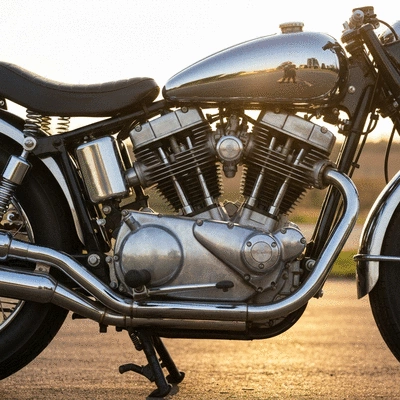
Evaluating ROI on Vintage Motorcycles: Key Considerations
To accurately assess the ROI on any vintage motorcycle, there are several key considerations to keep in mind:
- Condition: The overall condition of the bike plays a significant role in its value. A well-maintained motorcycle can fetch a higher price than one that needs extensive repairs.
- Original Parts: Authenticity matters. Motorcycles with original parts, especially those that haven’t been tampered with, often command a premium.
- Market Demand: Popular models or limited editions tend to appreciate faster due to their desirability among collectors.
- Documentation: Having a verified history and records of maintenance can significantly impact a motorcycle’s perceived value.
These factors can help you gauge what you might earn back when it’s time to sell, and knowing them can elevate your confidence as you invest in your passion.
Why Vintage Motorcycles? The Appeal of Classic Models
There's an undeniable allure to vintage motorcycles that makes them more than just a means of transportation. These machines are steeped in history and craftsmanship that modern bikes often lack. Why do I personally love classic motorcycles? It’s the stories they tell and the nostalgia they evoke!
Here are some reasons why vintage motorcycles continue to capture the hearts of many:
- Unique Aesthetics: The design and engineering of classic bikes showcase a different era of creativity and innovation.
- Community: Owning a vintage motorcycle often leads to connections with fellow enthusiasts, creating a strong sense of camaraderie.
- Investment Value: Beyond personal enjoyment, many classic bikes appreciate over time, making them viable investments.
When you own a vintage motorcycle, you're not only riding a machine; you're becoming part of a living history. This sense of connection is a compelling reason to dive into this world.
Understanding Market Trends: How Economic Factors Affect Vintage Motorcycle Prices
The market for vintage motorcycles is influenced by a variety of economic factors that can shift the prices significantly. As someone who has watched these trends evolve, I can assure you that being aware of them is crucial for both new and seasoned collectors.
Some key economic factors to keep an eye on include:
- Global Economy: Fluctuations in the economy can affect discretionary spending. When the economy is strong, vintage motorcycle sales often see an upsurge.
- Collector Popularity: Trends in collector interests can lead to spikes in certain models or brands. Staying updated can help you buy or sell at the right time.
- Currency Exchange Rates: For international buyers and sellers, changes in currency can impact pricing and demand.
By understanding these trends, you’ll be better positioned to navigate the fluctuating market and make informed decisions on your next vintage motorcycle purchase or sale. For more insights, check out our guide on spotting valuable collectible motorcycles.
Pro Tip
Before investing in a vintage motorcycle, consider reaching out to local motorcycle clubs or online forums. Engaging with experienced collectors can provide invaluable insights into market trends and specific models that are likely to appreciate in value. Networking within these communities not only enhances your knowledge but can also lead to potential deals and opportunities that you might not find elsewhere.
Restoration Costs vs. Resale Value: What to Expect
Investing in a vintage motorcycle is not just about purchasing a beautiful machine; it’s also about understanding the financial dynamics of restoration costs and how they impact resale value. As a motorcycle enthusiast, I can tell you that restoration can be both an art and a science, where each decision you make can significantly affect your investment. So, let's dive into what you can expect when it comes to restoration costs.
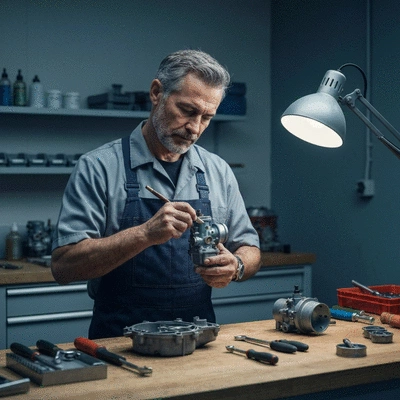
When you’re considering a vintage bike, it’s crucial to recognize that restoration costs can vary widely based on several factors, including the bike's condition, the availability of parts, and the expertise of the craftspeople involved. Before making a purchase, it’s wise to budget for these factors to avoid any unpleasant surprises.
Decoding Restoration Costs: A Breakdown of Expenses
- Labor Costs: Professional restoration services often charge by the hour, and the expertise required will influence this rate.
- Parts and Materials: Sourcing original parts can be challenging and costly, especially for rare models.
- Painting and Finishing: Quality paint jobs and finishing touches can add to the overall expense but are essential for maintaining value.
- Inspection Fees: A thorough inspection prior to purchase can save you money in the long run by identifying potential restoration needs.
Each of these factors contributes to the total restoration cost, which can sometimes exceed the initial purchase price of the motorcycle itself. Thus, understanding these expenses is vital for any collector or investor.
Assessing Resale Value: What Drives Market Prices?
When it comes to resale value, several elements drive the market prices of restored vintage motorcycles. The quality of restoration, the bike's brand and model, and the overall demand within the collector community are all crucial factors to consider. To give you a clearer picture, here's a list of what typically impacts resale value:
- Condition: A well-restored bike with original parts will always fetch a higher price.
- Documentation: Provenance and inspection records enhance value and buyer confidence.
- Market Trends: Current demand for specific models can fluctuate, impacting pricing.
- Time of Sale: Seasonal trends can affect how quickly you can sell your motorcycle and for what price.
Being aware of these factors can help you make informed decisions, ensuring you get the most out of your investment when the time comes to sell.
Restoration Quality: How It Affects Market Value and Resale Potential
The quality of restoration is perhaps the most significant factor that influences a vintage motorcycle's market value. A bike that has been restored with meticulous attention to detail will typically command a higher price than one that has been hastily refurbished. As someone who has spent years in the classic bike community, I can assure you that collectors are often willing to pay a premium for authenticity and craftsmanship.
Investing time and resources into a high-quality restoration can not only enhance the bike's aesthetic appeal but also its long-term resale potential. Remember, you’re not just restoring a motorcycle; you’re preserving a piece of history that can provide joy and financial return for years to come. For detailed insights into restoration costs, refer to our guide on vintage motorcycle restoration costs in Australia.
Frequently Asked Questions About Vintage Motorcycle Investment
Here are some common questions about investing in vintage motorcycles:
- Q: What are the primary factors that influence the value of a vintage motorcycle?
- A: The primary factors include the motorcycle's condition, the originality of its parts, market demand for that specific model, and the availability of verifiable documentation and history.
- Q: How important is authenticity when investing in vintage motorcycles?
- A: Authenticity is highly important. Motorcycles with original parts and a well-documented history tend to command significantly higher prices among collectors, as they are seen as more valuable and genuine.
- Q: Can vintage motorcycles be considered a good investment?
- A: Yes, many vintage motorcycles can be a good investment, especially popular or limited-edition models. Their value can appreciate over time due to rarity, historical significance, and growing collector interest. However, market trends and economic factors should always be considered.
- Q: What types of costs should I expect when restoring a vintage motorcycle?
- A: Restoration costs can include labor fees for professional services, the expense of sourcing original or rare parts and materials, and costs for high-quality painting and finishing. It's also wise to budget for pre-purchase inspection fees.
- Q: How does the quality of restoration affect the resale value?
- A: The quality of restoration significantly impacts resale value. Meticulously restored bikes that prioritize authenticity and craftsmanship will generally fetch a much higher price than those that have been hastily or poorly refurbished. Collectors are often willing to pay a premium for superior restoration work.
Recap of Key Points
Here is a quick recap of the important points discussed in the article:
- Evaluate Condition: The state of the motorcycle significantly affects its value; well-maintained bikes are more desirable.
- Original Parts Matter: Authentic motorcycles with original parts tend to command higher prices.
- Market Demand Influences Prices: Popular or limited edition models appreciate faster due to collector interest.
- Keep Documentation: A verified history and maintenance records can enhance the motorcycle's perceived value.
- Understand Economic Factors: Global economy, collector trends, and currency exchange rates can impact vintage motorcycle prices.
- Budget for Restoration Costs: Restoration can be costly, so it's essential to factor in labor, parts, and finishing when evaluating an investment.
- Quality of Restoration Affects Resale Value: High-quality restorations are more appealing to buyers and can enhance market value.