As a motorcycle enthusiast, understanding what impacts the value of classic bikes can transform your buying experience. It’s not just about age; it’s a blend of condition, originality, and rarity that defines a true collectible.
What You Will Learn
- Condition is crucial: A well-maintained motorcycle can fetch a significantly higher price than one in disrepair.
- Originality matters: Bikes with original parts are generally more desirable and valuable.
- Quality restorations can enhance value but also introduce costs; assess the investment carefully.
- Rarity drives demand: Limited edition bikes or those with unique production numbers often attract collectors.
- Understanding condition ratings helps buyers gauge the state of a motorcycle, influencing pricing decisions.
- Market demand fluctuates, making it essential to stay informed about trends and valuation changes.
Key Factors Influencing Classic Motorcycle Valuation
Understanding the core elements that influence prices—like condition, rarity, and market demand—can significantly impact your decision-making process as a buyer or collector. For a deeper dive into making informed purchases, consider our classic motorcycles buying guide in Australia.
Assessing Condition: The Backbone of Valuation
The condition of a motorcycle is pivotal in determining its value. A well-maintained bike commands a much higher price than one in disrepair.
Key Aspects:
- Originality: Preserving history with original parts.
- Restoration: Quality work can enhance value, but costs matter.
- Condition Ratings: Standardized assessment for clarity.
Rarity & Market Demand
The fewer units produced, the more likely a model will be sought after by collectors, driving prices up.
Rarity Factors:
- Limited Editions
- Low Production Numbers
- Historical Significance
Actionable Steps for Valuation
Utilize valuation tools and engage with the community to make informed decisions and enhance your journey.
Recommendations:
- Research History & Authenticity
- Stay Informed on Market Trends
- Engage with Collector Community
Understanding Classic Motorcycle Valuation: Key Price Factors
When it comes to classic motorcycles, understanding valuation can feel daunting. However, grasping the key price factors is essential for both collectors and enthusiasts. I've spent over two decades in the classic bike community, and I've seen firsthand how certain elements can significantly impact a motorcycle's value. Let's dive into what makes a classic motorcycle worth its price tag!
At Classic Motorcycle Exchange, we prioritize authenticity and thorough inspections, ensuring that each motorcycle we feature is valued based on its true worth. The valuation process doesn't just hinge on the bike's make and model; it encompasses various factors that contribute to the overall price. We’ll break down some of these critical components below.
Assessing Condition: The Backbone of Valuation
The condition of a motorcycle is pivotal in determining its value. A well-maintained bike can command a much higher price than one in disrepair. In my experience, the condition often reflects not just the quality of the motorcycle but also the care it has received over the years.
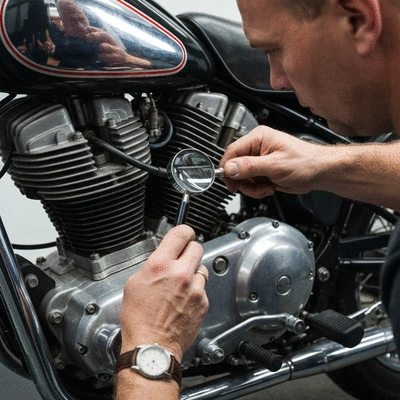
- Originality: A motorcycle with original parts is often more valuable than one that has been modified.
- Restoration: While quality restorations can enhance value, they can also introduce costs that affect pricing.
- Condition Ratings: These ratings offer a standardized way to assess a bike's state, impacting its marketability.
Understanding these aspects helps collectors make informed decisions when purchasing a classic motorcycle. In our community, we emphasize the importance of both originality and restoration, ensuring that buyers know what to look for, especially when considering investing in classic motorcycles.
Importance of Originality in Classic Motorcycles
Originality plays a crucial role in valuation. A motorcycle that retains its original parts and features is generally more desirable. It not only showcases the manufacturer's craftsmanship but also tells a story—a narrative that resonates with many collectors.
For instance, a vintage Honda CB750 that still has its original paint and components can be worth significantly more than a similar model that has undergone extensive modifications. Originality isn’t just about aesthetics; it's about preserving history!
How Restoration Impacts Value and Costs
While restoration can breathe new life into a motorcycle, it’s essential to approach it wisely. A high-quality restoration might increase the bike's value, but it can also entail substantial costs. Collectors should consider whether the investment in restoration aligns with the bike's potential appreciation in value.
Many enthusiasts, including myself, find joy in the restoration process, but it’s vital to keep an eye on financial implications to ensure you’re making a sound investment.
Condition Ratings: What They Mean for Valuation
Condition ratings provide a standardized way to assess the state of a motorcycle. These ratings can range from "like new" to "parts only," giving potential buyers a clear understanding of what they’re investing in.
- Excellent: Showroom condition, rarely used.
- Good: Some wear but in running condition.
- Fair: Requires work; may need restoration.
- Poor: For parts or extensive restoration only.
By familiarizing yourself with these ratings, you can better navigate the market and make informed choices. Our goal at Classic Motorcycle Exchange is to equip you with the knowledge you need to appreciate the nuances of classic motorcycle valuation.
Rarity and Its Role in Pricing
Rarity is another critical factor when determining a classic motorcycle’s value. The fewer units produced, the more likely a model will be sought after by collectors. Limited editions and unique production numbers can create a buzz in the market, driving prices up.
As a passionate collector, I’ve observed how certain models can become coveted over time. Let’s explore some nuances of rarity and its impact on pricing!
- Limited Editions: Bikes produced in small numbers often attract collectors.
- Production Numbers: Models with lower production numbers are typically more valuable.
- Historical Significance: Motorcycles tied to significant events or milestones can carry premium prices.
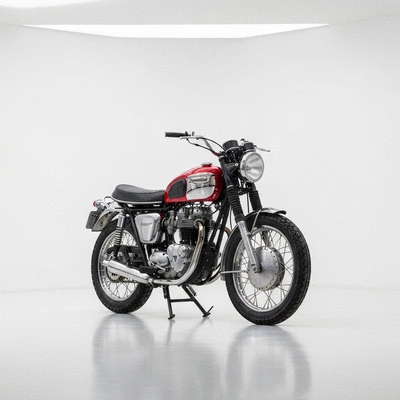
This growing interest in rarity often reflects a collector’s mindset—a desire to own a piece of history that not everyone can have. Understanding this can greatly influence your investment decisions, especially when looking for valuable collectible motorcycles.
Limited Editions and Production Numbers
Limited edition motorcycles often come with unique features or special paint jobs that differentiate them from their standard counterparts. For instance, a limited edition BMW or Ducati model can entice collectors looking to secure a rare piece for their collection.
In my experience, motorcycles that were produced in small quantities, such as the iconic BSA Gold Star, tend to appreciate faster due to their limited availability. This rarity can lead to competitive bidding during sales and auctions, making them attractive investments.
Market Demand for Specific Models and Their Historical Significance
Some models gain notoriety due to their historical significance, appealing to both enthusiasts and investors alike. For example, early models of the Harley-Davidson Panhead are not just motorcycles; they symbolize a rich heritage and community.
The combination of nostalgia and the bike's story can dramatically increase demand, affecting its price. As collectors, understanding these trends allows us to make better choices in our investments.
Impact of Motorcycle Rarity on Collector Demand
The impact of rarity on collector demand cannot be overstated. A rare motorcycle can often become the centerpiece of any collection, prompting collectors to pay a premium for the chance to own a unique piece.
As the demand for classic motorcycles continues to rise, understanding these factors can help both new and seasoned collectors navigate the market effectively. At Classic Motorcycle Exchange, we’re dedicated to helping you find not just a motorcycle but a piece of history that resonates with your passion!
Pro Tip
Before making a purchase, always verify the motorcycle's history and provenance. A well-documented history not only adds to the bike's value but also provides peace of mind. Look for service records, previous ownership details, and any restoration work that has been done. This diligence can make a significant difference in your investment's future worth!
Frequently Asked Questions (FAQs) About Classic Motorcycle Valuation
Q: What are the primary factors that influence the value of a classic motorcycle?
A: The primary factors are the motorcycle's condition (including originality and restoration quality), its rarity (limited editions, low production numbers), and current market demand for specific models.
Q: Why is originality so important for classic motorcycle valuation?
A: Originality is crucial because it preserves the manufacturer's craftsmanship and the historical narrative of the motorcycle. Bikes with original parts and features are generally more desirable and valuable to collectors.
Q: How do restorations affect a classic motorcycle's value?
A: High-quality restorations can enhance a motorcycle's value by improving its condition and functionality. However, it's important to weigh the cost of restoration against the potential increase in value to ensure it's a sound investment.
Q: What do condition ratings for classic motorcycles signify?
A: Condition ratings (e.g., Excellent, Good, Fair, Poor) provide a standardized assessment of a motorcycle's state, helping potential buyers understand what they are investing in and impacting its market price.
Q: How does rarity contribute to a classic motorcycle's price?
A: Rarity significantly drives up prices. Limited edition models, bikes with low production numbers, or those with historical significance become highly sought after by collectors, leading to increased demand and competitive bidding.
Summarizing Key Insights on Classic Motorcycle Valuation
As we wrap up our discussion on classic motorcycle valuation, it’s vital to revisit the key pricing factors and emerging market trends we've explored. Understanding the core elements that influence prices—like condition, rarity, and market demand—can significantly impact your decision-making process as a buyer or collector.
The classic motorcycle market is dynamic, shaped by trends that reflect both nostalgia and investment potential. It’s essential to keep your finger on the pulse of these trends to make informed choices. Here’s a quick recap of what we’ve covered:
- Assessing the condition of a motorcycle is fundamental, focusing on originality and restoration.
- Rarity plays a crucial role; limited editions often see greater collector interest.
- Market demand fluctuates, affecting pricing, particularly for investment-grade motorcycles.
By synthesizing these insights, you'll be better equipped to navigate the complexities of classic motorcycle valuation and make choices that align with your passion and investment goals.
Encouraging Smart Investing in Classic Motorcycles
Investing in classic motorcycles is not just about purchasing a bike; it’s about understanding the unique needs and expectations of fellow collectors. With over two decades of experience in the classic bike community, I’ve seen firsthand how important it is to align your investments with market realities and your personal desires.
As a passionate enthusiast, I encourage you to reflect on the following aspects as you embark on your investment journey:
- Research the history and authenticity of the motorcycle you’re considering.
- Stay informed about market trends and valuation changes.
- Engage with other collectors to share insights and experiences.
By embracing these practices, you can build a collection that not only satisfies your passion for classic motorcycles but also holds substantial long-term value.
Take Action: Get Started with Your Motorcycle Valuation Journey
Utilize Valuation Tools for Informed Decisions
Now that you have a solid grasp of the valuation factors and market trends, it’s time to take actionable steps. Utilize valuation tools like the Hagerty Price Guide or online calculators to gain a clearer picture of your motorcycle’s worth. These resources can help you make informed decisions when buying or selling.
Remember, a well-informed buyer is an empowered buyer! Take the time to familiarize yourself with the tools available, as they can significantly enhance your valuation journey.
Join the Community: Engage with Other Collectors and Enthusiasts
The classic motorcycle community is vibrant and full of passionate individuals who share your interests. Engaging with fellow enthusiasts not only enriches your experience but can also provide valuable insights into the market. Consider joining collector clubs or motorcycle associations where you can exchange knowledge and learn from others' experiences.
Exploring Collector Clubs and Motorcycle Associations
- Local motorcycle clubs often host events and rides that foster community spirit.
- National organizations can provide resources and networking opportunities.
- Online forums and social media groups offer platforms for discussions and advice.
By immersing yourself in this community, you can gain a deeper appreciation for the art of collecting classic motorcycles and further enhance your journey as a collector.
Recap of Key Points
Here is a quick recap of the important points discussed in the article:
- Assessing the condition of a motorcycle is fundamental, focusing on originality and restoration.
- Rarity plays a crucial role; limited editions often see greater collector interest.
- Market demand fluctuates, affecting pricing, particularly for investment-grade motorcycles.