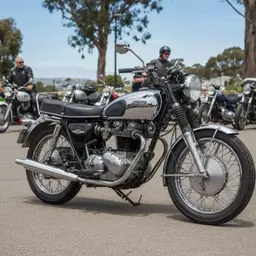
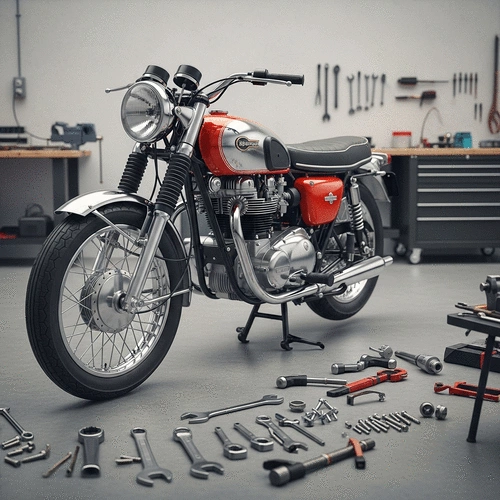
Have you ever wondered what it takes to breathe new life into a classic motorcycle? Restoring vintage bikes is not just a hobby; it's a way to connect with history and a passionate community. Here’s what you can expect to gain from this journey of restoration.
What You Will Learn
- The importance of maintaining authenticity in your restoration efforts, ensuring the bike retains its original charm.
- How to effectively document your restoration process for both personal reflection and community sharing.
- Essential preparation steps, including workspace setup and budgeting to streamline your restoration project.
- Tips for selecting the right classic motorcycle based on model popularity and parts availability.
- An understanding of the costs involved in restoration, helping you budget effectively and avoid surprises.
- The value of engaging with the classic motorcycle community for support, knowledge sharing, and lasting friendships.
- Strategies for showcasing your restored motorcycle and sharing your journey with others to inspire and connect.
Key Concepts in Classic Motorcycle Restoration
Understanding the core principles of classic motorcycle restoration is essential for enthusiasts. This overview highlights authenticity, documentation, and community engagement as fundamental pillars for a successful and rewarding project. For more insights into preserving motorcycle heritage, consider reading about preserving motorcycle heritage.
Authenticity
Maintain original components and design to preserve heritage. Every scratch and dent tells a story.
Documentation
Keep detailed records of the restoration process, including parts and modifications. This enhances value.
Community Engagement
Involve yourself with local groups to share knowledge and resources. Connect with fellow enthusiasts.
Embarking on the Journey of Classic Motorcycle Restoration
Restoring a classic motorcycle is more than just a project; it's a passion that brings together enthusiasts from all walks of life. At Classic Motorcycle Exchange, we understand the significance of classic motorcycle restoration for fellow riders in Australia. This journey allows you to breathe new life into machines that tell stories of the past, all while connecting with a community of like-minded individuals.
The process itself is steeped in history and craftsmanship. Whether you're a seasoned restorer or just starting, understanding key concepts is vital to your success. With a focus on authenticity and quality, we aim to help you navigate this rewarding path.
Understanding Classic Motorcycle Restoration: Key Concepts
To truly appreciate the art of classic motorcycle restoration, one must first grasp its core principles. Restoration is not merely about fixing up a bike; it’s about preserving its heritage and ensuring it remains a piece of history. This involves careful examination of the motorcycle’s original specifications and making informed decisions about repairs and upgrades.
- Authenticity: Ensure that you maintain the bike's original components and design as much as possible.
- Documentation: Keep a detailed record of the restoration process, including parts used and modifications made.
- Community Engagement: Involve yourself with local restoration groups to share knowledge and resources.
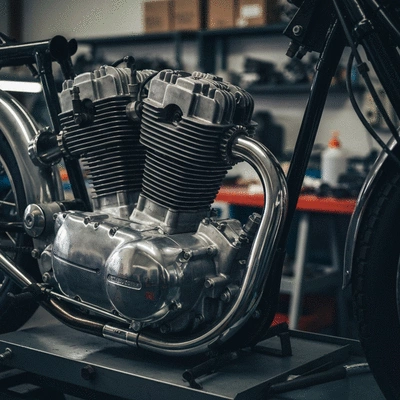
By focusing on these key aspects, you’ll not only enhance the bike’s value but also your own appreciation for the artistry behind it. Remember, every scratch and dent has a story to tell!
Why Choose Classic Motorcycles: Embracing the Vintage Vibe
The allure of classic motorcycles lies in their unique charm and character. For many Australian riders, these vintage beauties represent more than transport; they embody a lifestyle. Imagine the feeling of riding a 1970s Honda CB350F down winding roads, the wind in your hair, and the nostalgia of a bygone era filling your heart. To find out more about iconic models, check out our article on iconic motorcycle models.
- Historical Significance: Each motorcycle has a rich tapestry of events and stories.
- Craftsmanship: Vintage bikes often showcase unique engineering and design elements that modern bikes lack.
- Community: Owning a classic motorcycle connects you to a vibrant community that shares your passion.
Choosing a classic motorcycle means embracing a vintage vibe that fosters connections with not just the bike but also with other enthusiasts. It's a celebration of heritage that continues to inspire riders across Australia.
Preparing for Your Restoration Project: The Foundations
Before you dive into the restoration process, it's essential to set the groundwork for your project. This involves creating a dedicated workspace, gathering the right tools, and outlining your budget. Taking these steps will help ensure that your project runs smoothly.
At Classic Motorcycle Exchange, we believe that preparation is key. Each restoration project is unique, and having a clear plan in place helps you stay organized and focused on your goals.
Setting Up Your Motorcycle Restoration Workshop
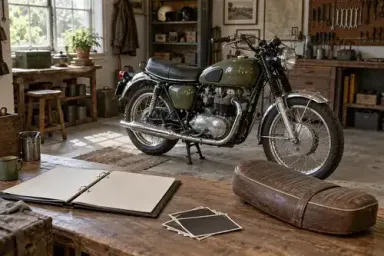
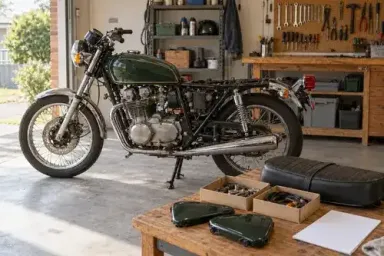
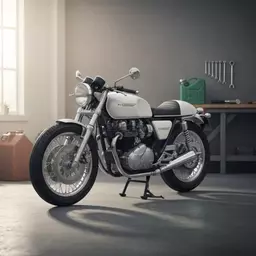
Creating the perfect workshop for restoration is crucial. Make sure you have enough space, good lighting, and the right tools and supplies. Consider these essentials:
- Workbenches: A sturdy surface for disassembling and working on your motorcycle.
- Basic Tools: Wrenches, screwdrivers, pliers, and other hand tools are fundamental.
- Safety Gear: Always prioritize your safety with gloves, goggles, and proper ventilation.
Following Australian safety standards is a must to ensure a secure working environment. A well-equipped and organized workshop will not only make your restoration work easier but also more enjoyable!
Selecting the Right Classic Motorcycle for Your Restoration
Choosing the right motorcycle is one of the most exciting parts of the restoration journey! Factors to consider include the bike's model popularity and availability of parts. For instance, models like the Honda CB350F are not only iconic but also have a robust community and parts market, making them ideal for restoration projects.
- Research Models: Identify which classic motorcycles resonate with you.
- Check Parts Availability: Ensure you can source the parts needed for restoration.
- Consider Your Skill Level: Pick a bike that matches your experience and confidence in restoration.
Taking the time to select the right bike will set the tone for your entire restoration experience and ensure that it’s a rewarding journey.
Understanding the Costs: Budgeting for Your Restoration Project
Restoration projects can vary widely in cost, depending on the condition of the motorcycle and the extent of the work required. It’s crucial to have a solid understanding of potential expenses. Here’s a breakdown of typical costs:
- Purchase Price: The initial cost of acquiring the motorcycle.
- Parts and Supplies: Budget for replacement parts, tools, and materials.
- Labor Costs: If you plan to hire professionals for certain tasks, factor in those expenses.
By developing a realistic budget from the outset, you’ll avoid surprises and keep your project on track. Remember, it's about investing in a piece of history that will bring you joy for years to come!
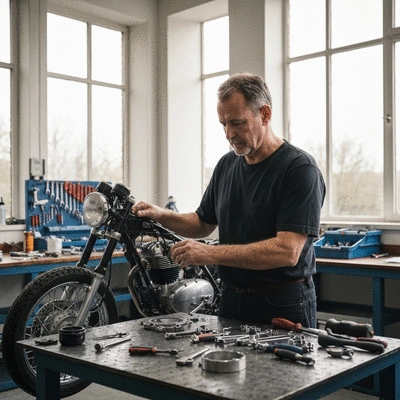
Pro Tip
When selecting parts for your restoration, consider sourcing from local suppliers or specialized online retailers. This not only supports local businesses but also ensures you receive parts that are often more authentic and better suited for your specific model. Remember, the right parts can make all the difference in preserving the authenticity and value of your classic motorcycle!
Frequently Asked Questions about Classic Motorcycle Restoration
What is the most important aspect of classic motorcycle restoration?
Maintaining authenticity is crucial. This means preserving original components and design to retain the bike's heritage and value.
Why is documentation important in the restoration process?
Detailed documentation, including records of parts used and modifications made, enhances the motorcycle's value and provides a complete history of the restoration.
How can I connect with other classic motorcycle enthusiasts?
Engage with local groups, attend motorcycle meetups, participate in workshops, and join online forums and social media groups dedicated to classic motorcycles.
What should I consider when budgeting for a restoration project?
Key costs include the initial purchase price of the motorcycle, replacement parts and supplies, and potential labor costs if hiring professionals for certain tasks.
How do I choose the right classic motorcycle for restoration?
Research models based on popularity and parts availability, and consider your own skill level to pick a bike that is a good match for your experience.
Celebrating Your Accomplishments: The Rewards of Restoration
After countless hours spent in your workshop, the moment has finally arrived! The satisfaction of riding your meticulously restored motorcycle is like no other. Each ride not only shows off your craftsmanship but also connects you with a community of fellow enthusiasts who appreciate the beauty and history of classic bikes.
Nothing quite compares to the feeling of hitting the open road on a bike that you've poured your heart into. It’s a mix of pride, nostalgia, and exhilaration as you navigate through winding roads, the wind in your hair and the roar of the engine beneath you. You’re not just riding a motorcycle; you’re riding a piece of history!
Taking Your Classic Motorcycle on the Road
- Experience the thrill of the ride while showcasing your hard work.
- Join local rides and events to meet fellow enthusiasts.
- Participate in community gatherings to share stories and knowledge.
Engaging with other riders adds a rich layer to your experience. You’ll find joy in swapping stories about your restoration journey, discovering tips and tricks from seasoned riders, and gaining insights into how they tackle similar challenges. The camaraderie built during these moments truly enhances your passion for classic motorcycles.
Continuing the Journey: Resources for Ongoing Learning
The world of classic motorcycle restoration is vast and ever-evolving. To keep your skills sharp and your knowledge fresh, seeking out resources is crucial. Whether you're a newcomer to the scene or an experienced restorer, there are plenty of avenues to explore.
- Join online forums and social media groups dedicated to classic motorcycles.
- Check out local libraries or bookstores for restoration manuals and guides.
- Attend workshops or seminars that focus on specific aspects of restoration.
By tapping into these resources, you’ll not only enhance your restoration skills but also foster connections with others who share your passion. The Classic Motorcycle Exchange often shares valuable insights and links to useful resources, helping you stay informed and inspired.
Engaging with the Classic Motorcycle Community
Sharing your passion doesn’t stop once your bike is on the road. Engaging with the classic motorcycle community enriches your experience and can lead to lasting friendships. By documenting and sharing your restoration story, you can inspire others on their journeys, too!
Sharing Your Restoration Story: Inspiring Others
Have you considered documenting your restoration process? Sharing your journey can motivate others who may be hesitant to start their own projects. Here’s how to effectively share your story:
- Post before-and-after photos on social media platforms.
- Write blog posts detailing challenges faced and solutions found.
- Create videos showcasing your restoration techniques and insights.
By sharing your experiences, you not only celebrate your accomplishments but also encourage others to dive into the world of classic motorcycles. Each story shared helps to build a vibrant community where everyone learns from one another.
Joining Local Groups and Events: Building Connections
There’s something special about connecting with fellow motorcycle enthusiasts in person. Local groups and events provide opportunities to share knowledge, swap tips, and celebrate your passion together. Here are some ways to get involved:
- Attend motorcycle meetups and ride-outs organized in your area.
- Participate in workshops hosted by local clubs.
- Volunteer for events that support the motorcycle community.
These interactions not only deepen your knowledge but also solidify friendships that can last a lifetime. At Classic Motorcycle Exchange, we value the connections made through community and encourage our customers to participate in local events and groups.
Engaging with Classic Motorcycle Shows and Competitions
Classic motorcycle shows and competitions are fantastic ways to showcase your hard work. They offer a platform for you to connect with fellow enthusiasts, gain recognition for your restoration efforts, and even learn from the best in the industry. Here’s why you should consider participating:
- Show off your restored motorcycle and share your story with a wider audience.
- Network with industry professionals and fellow restorers.
- Gain valuable feedback and tips from judges and spectators.
These events are not just about competition; they celebrate the artistry of classic motorcycles. The Classic Motorcycle Exchange often features upcoming shows and competitions, helping you stay connected to the vibrant community we cherish. For tips on showcasing your bike, read our guide on showcasing your classic bike.
Recap of Key Points
Here is a quick recap of the important points discussed in the article:
- Focus on Authenticity: Preserve the motorcycle's original components and design.
- Maintain Documentation: Keep detailed records of the restoration process, including parts used and modifications made.
- Engage with the Community: Connect with local restoration groups to share knowledge and resources.
- Prepare your Workspace: Ensure you have adequate space, lighting, and the right tools for the restoration project.
- Choose the Right Motorcycle: Research models and consider parts availability and your skill level before starting your project.
- Establish a Budget: Understand the costs involved in restoration to avoid surprises and stay on track.
- Celebrate your Accomplishments: Share your restoration journey with others and participate in community events to enrich your experience.