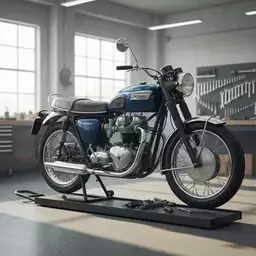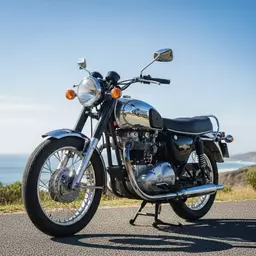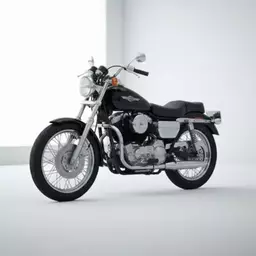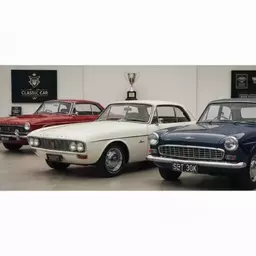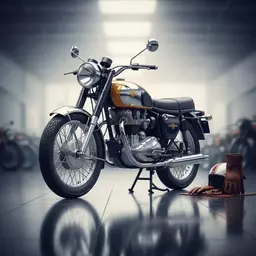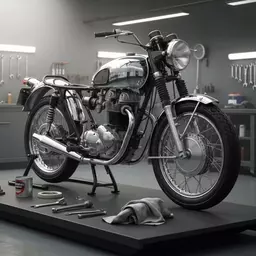
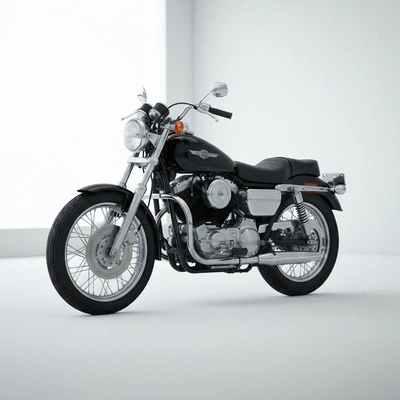
A classic motorcycle is not just another vehicle to move from one address to another. It may carry decades of history, rare parts, original paint, delicate chrome, period-correct accessories, and a value that cannot be measured by market price alone. That is why choosing specialist Bike transport Melbourne services matters when moving a vintage or collector motorcycle.
Standard freight is rarely suitable for older bikes. Classic motorcycles need careful loading, stable tie-down points, protection from weather, and a transport provider who understands that some components are irreplaceable. Whether you are buying from an interstate auction, sending a bike to a restoration workshop, or attending a classic motorcycle event, the transport process should be planned with the same care as the bike itself.
Why Classic and Vintage Bikes Need Specialised Transport
Classic and vintage motorcycles often have different handling needs from modern bikes. Older frames, exposed engines, narrow tyres, drum brakes, custom brackets, centre stands, kick-start assemblies, and non-standard geometry can all make loading and securing more delicate.
Many vintage bikes were not designed with modern transport systems in mind. A tie-down point that works on a contemporary sports bike may place stress on a classic frame, handlebar, fork, or suspension component. Some older motorcycles also have fragile paint, ageing rubber, polished alloy, chrome finishes, or rare badges that can be damaged by careless straps or movement.
There is also the issue of mechanical condition. A classic bike may not start easily, may have weak brakes, may leak oil, or may not roll as smoothly as a modern motorcycle. Some collector bikes are restored for display and occasional riding, not rough handling on ramps and open trailers.
That is why classic motorcycle transport Melbourne services should be chosen based on experience, not just price. The safest transport provider is one that treats the motorcycle as a collector asset, not general freight.
Enclosed Transport: The Gold Standard for Collector Bikes
For high-value, restored, rare, or original-condition motorcycles, enclosed motorcycle transport Melbourne is usually the preferred option. Enclosed transport protects the bike from rain, road grime, dust, stones, wind exposure, and unwanted attention during transit.
Open transport may be acceptable for some everyday motorcycles, but collector bikes are different. Original paintwork, polished chrome, custom restorations, vintage decals, and exposed mechanical parts can be affected by weather and road debris. Even a short trip across Melbourne can expose a bike to sudden rain, construction dust, or traffic grime.
Enclosed transport also offers a more controlled environment. Bikes can be loaded with greater care, secured inside a covered vehicle, and protected from the movement and exposure associated with open trailers. This is especially important for motorcycles being transported to shows, auctions, concours events, photo shoots, specialist mechanics, or restoration workshops.
For rare machines, the extra cost of enclosed transport is usually minor compared with the cost of repairing damaged paint, replacing unavailable trim, or correcting transport-related scratches.
How to Prepare a Classic Motorcycle for Transport
Preparation is essential before handing over a collector motorcycle. Start by photographing the bike thoroughly. Capture the front, rear, both sides, tank, guards, wheels, seat, exhaust, engine cases, instruments, badges, paintwork, chrome, and any existing marks. These photos create a condition record before transit.
Next, remove or secure loose accessories. Tool rolls, panniers, mirrors, covers, display plates, detachable lights, spare parts, and loose trim should not be left unsecured. If items are travelling with the bike, pack them properly and confirm the transporter has agreed to carry them.
Check for leaks. Many older motorcycles mark their territory, but transport providers need to know about oil, fuel, or coolant leaks before collection. If the bike has a fuel tap, make sure it is turned off. If the battery is old or not secured properly, discuss whether it should be disconnected.
Tyres should be inflated enough for the bike to roll safely. If the brakes are weak, seized, or unusual to operate, tell the transporter. If the bike uses a centre stand, left-side gear shift conversion, right-side shift, manual advance, decompression lever, or unusual starting procedure, provide written notes.
Do not assume the transporter will know the quirks of your specific machine. The more information you provide, the safer the move will be.
What to Ask Your Transport Provider Before You Book
When booking classic or vintage motorcycle transport, ask specific questions before agreeing to the job. A professional provider should be comfortable explaining how the bike will be loaded, secured, insured, and delivered.
When booking bike transport Melbourne for a classic or vintage motorcycle, always confirm whether the provider uses soft-tie systems, enclosed trailers, and has experience with older non-standard frame geometries.
Ask whether the bike will be moved in an enclosed vehicle or an open trailer. Confirm whether it will be transported alone or with other motorcycles. If multiple bikes are carried, ask how they are separated and secured to prevent contact.
You should also ask about loading equipment. Low ramps, hydraulic lifts, wheel chocks, soft straps, and bike-specific tie-down systems are preferable to rough ramps and generic freight straps.
Other important questions include:
-
Do you regularly transport classic or vintage motorcycles?
-
Can you move non-running or hard-starting bikes?
-
Is the bike insured during loading, transit, and unloading?
-
What value is covered by the included insurance?
-
Are loose parts or accessories covered?
-
Do you provide condition checks at pickup and delivery?
-
Can I provide special handling instructions?
-
What happens if pickup is from an auction house or a private seller?
For readers browsing classicbikesdirect.com.au, this is also a good time to review related internal pages, such as classic bike listings or a classic motorcycle buying guide, before organising transport. Buying and moving a vintage machine should be treated as one connected process.
Insuring a High-Value Motorcycle During Transit
Insurance is critical when transporting a collector motorcycle. Do not assume standard transport cover is enough for a rare or high-value bike.
Start by asking the transport provider what insurance is included in the quote. Some carriers include limited transit cover, while others may require additional insurance for higher-value motorcycles. Check whether the policy covers loading, unloading, theft, collision, fire, weather damage, and accidental damage during transport.
Also, ask what is excluded. Many policies may not cover pre-existing damage, mechanical faults, loose accessories, personal items, or parts packed separately from the motorcycle. If the bike has rare spares, original documents, logbooks, toolkits, or valuable accessories, confirm how those items should be handled.
For very valuable motorcycles, speak with your own insurer before the bike is collected. Some classic motorcycle insurance policies may offer transit options or require notification before the vehicle is moved by a third party.
Keep written records. Save the booking confirmation, insurance details, condition photos, valuation documents, auction invoice, and any emails about special handling. If a problem occurs, documentation makes the claims process much easier.
Buying a Classic Bike Sight Unseen? Transport Tips That Apply
Many collectors buy vintage motorcycles from interstate auctions, deceased estates, private sellers, and specialist dealers without seeing the bike in person. That can be a great way to find rare models, but it makes transport planning even more important.
Before paying, confirm whether the bike rolls, starts, has keys, has inflated tyres, and can be accessed easily by the transporter. Ask whether the seller can help with loading or whether the bike is stored in a shed, basement, apartment garage, rural property, or auction warehouse.
Request clear photos and videos before transport. Ask for close-ups of the tank, frame, engine number, wheels, guards, seat, exhaust, controls, and any damage. If the bike has loose parts, ask the seller to photograph and pack them before collection.
If purchasing at auction, arrange transport early. Auction houses often charge storage fees if vehicles are not collected within a set timeframe. Delays can also increase the risk of parts being misplaced, batteries going flat, or the bike being moved around by staff.
For vintage bike transport Australia-wide, planning is part of protecting the purchase. The right bike may be rare, but the wrong transport choice can quickly turn an exciting buy into a costly problem.
Move Your Classic With the Confidence It Deserves
Classic and vintage motorcycles deserve careful handling from the moment they are collected until they arrive. Whether the bike is a restored showpiece, a barn find, a rare import, or a long-term project, transport should be handled by people who understand the value of a motorcycle beyond weight and distance.
Choose enclosed transport where possible, confirm insurance, document the bike’s condition, and explain any quirks before pickup. If buying at auction or from an interstate seller, arrange transport as early as possible to avoid storage fees and rushed decisions.
With the right preparation and a specialist carrier, your classic motorcycle can arrive safely, respectfully, and ready for its next chapter.