To make informed decisions in the classic motorcycle market, understanding the nuances of preferences, market trends, and preparation for purchase is essential. Here’s what you will take away from this guide.
What You Will Learn
- Identify your personal motorcycle preferences, including model types, brands, and riding styles that align with your interests.
- Stay informed about market values and trends to recognize fair pricing when considering a purchase.
- Establish a realistic budget that accounts for not only the purchase price but also restoration and ongoing maintenance costs.
- Research specific models to understand potential restoration costs and their performance expectations as an investment.
- Be proactive about understanding ownership costs, including insurance and maintenance, to avoid unexpected financial burdens.
Classic Motorcycle Acquisition Journey
This visual outlines the key steps and considerations for acquiring a classic motorcycle, from initial preferences to understanding ownership costs. For a comprehensive guide on purchasing, read our classic motorcycles buying guide.
1. Identifying Your Ideal Motorcycle
2. Preparing Your Budget
- Purchase Price
- Restoration Costs
- Maintenance
- Insurance
3. Key Purchase Steps
- Thorough Inspection
- Documentation Verification
- Fair Pricing
- Community Insights
Investment in History & Passion
Purchasing a classic motorcycle is an investment in a piece of history and a connection to a passionate community. Make informed decisions.
Understanding the Classic Motorcycle Market: What You Need to Know
Welcome to the exhilarating world of classic motorcycles! As you start your journey, it’s essential to understand the nuances of the classic motorcycle market. Whether you’re a seasoned collector or a newcomer eager to invest in your first bike, knowing how to identify your ideal motorcycle is crucial. With over two decades of experience in the classic bike community, I can assure you that this knowledge will empower you to make informed decisions on your path to ownership.
In this section, we'll delve into key areas, including assessing your personal preferences, understanding market trends, and preparing for your purchasing journey. Knowledge is your best ally when buying a classic bike, so let’s get started!
Identifying Your Ideal Classic Motorcycle
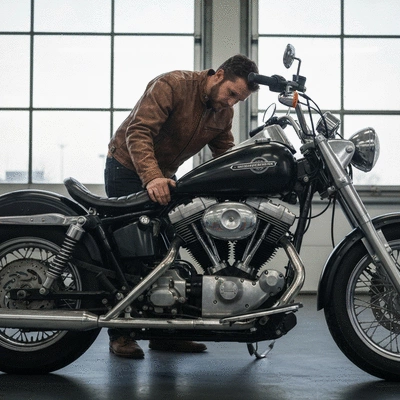
Before diving into the listings, it’s wise to assess your preferences regarding models and brands. Each classic motorcycle brings its own charm and history, so consider what resonates most with you.
- Models: Are you drawn to cruisers, sportbikes, or touring models?
- Brands: Do you have a preference for British, Japanese, or American motorcycles?
- Style: Vintage aesthetics, racing history, or practical everyday use?
Once you’ve identified these preferences, you'll be better positioned to explore the market. Understanding current market values and trends will also help you recognize fair prices. Remember, a classic motorcycle is not just a purchase; it’s an investment in a piece of history. For those looking to see what's currently available, check out classic motorcycles for sale.
Assessing Your Preferences: Models and Brands
Take a moment to reflect on your motorcycle preferences. Ask yourself questions like: What kind of riding experience do I desire? Should it be a project bike or a fully restored model? Prioritizing these factors will streamline your search for that perfect classic motorcycle.
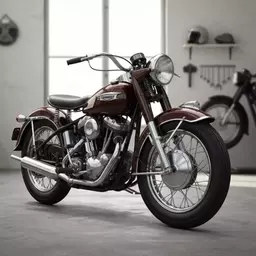
Additionally, exploring popular models can provide insight into what aligns with your budget and taste. From iconic brands like Harley-Davidson to the nimble engineering of Honda, each bike has a story that adds to its allure.
Understanding Market Value and Trends
To navigate the classic motorcycle market effectively, I recommend staying informed about various models' market values. Websites like Classic Motorcycle Exchange offer insights into current pricing trends and help you gauge the fair value of different motorcycles.
- Attend motorcycle shows or auctions to see live price dynamics.
- Join forums and social media groups where enthusiasts share their experiences.
- Research historical price data for specific models.
This knowledge will enable you to spot a good deal when you see one and ensure you’re making a wise investment in your passion.
Exploring Popular Classic Motorcycle Brands and Models
As you explore, you’ll find that some brands and models are perennial favorites among enthusiasts. Here are a few that consistently capture attention:
- Harley-Davidson: Known for its iconic designs and strong community.
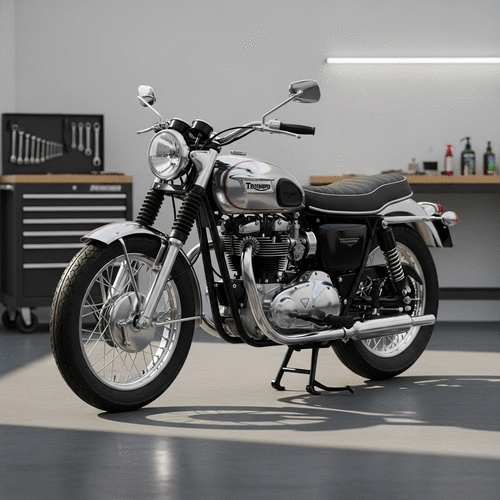
- Triumph: Renowned for its classic British styling and performance.
- Honda: Offers reliable models with a rich history, perfect for both collectors and riders.
Each of these brands has an extensive lineup of models that can suit various riding styles and preferences. Whether it’s the thumping engine of a classic Harley or the sleek lines of a vintage Honda, each bike promises a connection to history and the thrill of the ride!
Preparing for Your Purchase Journey
Preparation is key when buying a classic motorcycle. It's not just about finding the right bike; it’s about understanding the entire journey from budgeting to ownership costs. Let’s break down the steps to ensure you’re ready.
First, establishing a realistic budget is crucial. Classic motorcycles can range widely in price, so knowing your financial limits upfront can save you time and stress during your search.
Establishing a Realistic Budget for Classic Motorcycles
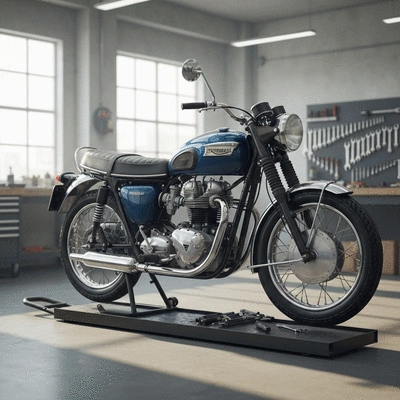
When creating your budget, consider not only the purchase price but also potential restoration costs and ongoing expenses. Here are some factors to account for:
- Initial purchase price of the motorcycle
- Restoration or refurbishment costs
- Ongoing maintenance and repair expenses
- Insurance premiums
By laying out these costs, you’ll have a clearer picture of what you can afford, leading to a more satisfying purchasing experience.
Researching Motorcycle Models and Restoration Costs
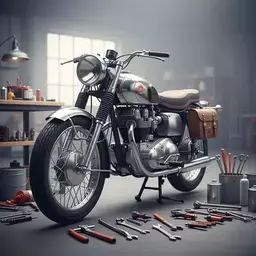
In addition to budgeting, researching specific motorcycle models and their restoration costs is essential. The classic motorcycle community is rich with resources. Forums, enthusiast groups, and guides can help you gain insights into what to expect. This is especially important when considering restoring classic motorcycles.
For example, certain models may require more extensive mechanical work, while others might need cosmetic touch-ups. Knowing this will help you gauge whether a bike is a good investment or a potential money pit!
Understanding Ownership Costs: Insurance and Maintenance
Finally, it’s vital to understand the ongoing costs of owning a classic motorcycle. Many enthusiasts forget that insurance and maintenance can add significantly to your overall expenses.
- Research insurance options tailored for classic motorcycles.
- Factor in the cost of routine maintenance and parts availability.
- Consider joining a motorcycle club for potential discounts on insurance and services.
By being proactive about these costs, you’ll be better equipped to enjoy your classic motorcycle without unexpected financial surprises down the road.
Pro Tip
When purchasing a classic motorcycle, always verify the bike's history through documentation. A well-documented bike not only assures you of its authenticity but also enhances its value. Consider requesting a history report or speaking to previous owners to gain insights into the motorcycle's past, which can help you avoid potential pitfalls.
Frequently Asked Questions About Buying Classic Motorcycles
What are the key steps in acquiring a classic motorcycle?
The key steps involve identifying your ideal motorcycle (models, brands, style), preparing your budget (purchase price, restoration, maintenance, insurance), and key purchase steps (thorough inspection, documentation verification, fair pricing, community insights).
How do I identify my ideal classic motorcycle?
Consider your preferences for models (cruisers, sportbikes, touring), brands (British, Japanese, American), and style (vintage aesthetics, racing history, practical use). Reflect on your desired riding experience and whether you want a project or a fully restored model.
What are the essential budget considerations when buying a classic motorcycle?
Your budget should include the initial purchase price, potential restoration or refurbishment costs, ongoing maintenance and repair expenses, and insurance premiums. A realistic budget helps avoid unexpected financial burdens.
Why is it important to research specific models and their restoration costs?
Researching models helps you understand the extent of mechanical work or cosmetic touch-ups required. This insight is crucial for determining if a bike is a sound investment or a potential "money pit," and it informs your overall budget.
What are the ongoing ownership costs for a classic motorcycle?
Ongoing costs primarily include insurance and maintenance. It's important to research insurance options tailored for classic motorcycles and factor in routine maintenance and parts availability. Joining a motorcycle club may offer discounts.
Final Thoughts on Buying a Classic Motorcycle
As we wrap up this journey into the world of classic motorcycles, it’s essential to reflect on the key considerations for buyers. Understanding your preferences, establishing a realistic budget, and knowing how to inspect potential purchases are paramount. Each of these steps lays the foundation for making a wise investment that aligns with your passion and enhances your riding experience.
Before you hit the road on your new classic motorcycle, let's summarize the essential steps in your buying process:
- Identify your ideal classic motorcycle, considering models and brands that resonate with you.
- Establish a clear budget that includes purchase price and potential restoration costs.
- Conduct thorough inspections to assess the motorcycle's condition.
- Verify documentation to ensure a legitimate purchase with a verified history.
These steps will not only guide your decision but will also empower you as a buyer. Remember, purchasing a classic motorcycle isn’t just a transaction; it’s about embracing a piece of history and joining a passionate community of enthusiasts.
Encouragement to Act on Your Knowledge
Now that you’re armed with knowledge and insights, it’s time to take action! Being prepared before making a purchase is crucial in the classic motorcycle market. The thrill of finding that perfect bike is matched only by the satisfaction of knowing you’ve done your homework. With each step you take, from initial research to final purchase, you can feel confident in your decisions. For those interested in the financial aspects, consider investing in classic motorcycles.
As you embark on this exciting journey, I invite you to share your experiences and questions with us at the Classic Motorcycle Exchange. Your stories and inquiries not only enrich our community but also help fellow enthusiasts navigate their own paths. So, whether it’s a tale of your first ride or a question about restoration, don’t hesitate to reach out! Together, we can foster a vibrant community that celebrates the beauty and history of classic motorcycles.
Recap of Key Points
Here is a quick recap of the important points discussed in the article:
- Identify your ideal classic motorcycle by considering models, brands, and personal preferences.
- Establish a realistic budget that includes purchase price, restoration costs, and ongoing expenses.
- Conduct thorough inspections to assess the motorcycle's condition before purchasing.
- Verify documentation to ensure a legitimate purchase with a verified history.